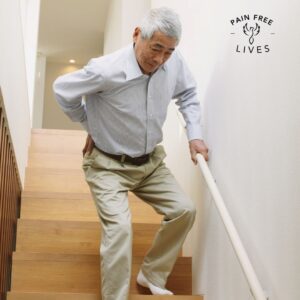
New Jersey life often blends fast-paced urban routines with the comfort of suburban living. Many residents spend part of their day commuting or working in structured environments, then return home to quieter neighborhoods, home offices, and family responsibilities. This constant shift shapes how the body moves, rests, and adapts over time, often in ways that go unnoticed.
Posture reflects daily habits more than isolated activities. Small, repeated patterns influence alignment, muscle balance, and joint loading. Over time, these patterns can affect comfort, mobility, and the body’s efficiency of movement.
1. Prolonged Sitting Throughout the Workday
Extended sitting remains one of the most common posture influencers across New Jersey. Hours spent driving, riding public transportation, or sitting at a desk place steady demands on the spine. The shoulders gradually roll forward, the head drifts ahead of the torso, and the lower back loses its natural support.
These changes develop slowly. Even physically active individuals may experience postural strain when seated positions dominate the day. Without regular movement or postural variation, the body adapts to these positions and carries them into standing and walking.
2. Home Offices and Flexible Work Environments
Suburban living has made home-based work more common, but many workspaces lack ergonomic support. Dining tables, couches, and improvised desks encourage positions that strain the neck, shoulders, and spine.
Over time, these setups promote forward head posture and rounded shoulders. What begins as a convenient solution can subtly reshape posture, making inefficient alignment feel normal. This influence often extends beyond work hours, affecting posture during everyday activities.
3. Frequent Screen Use During Daily Activities
Technology is woven into nearly every part of daily life. Screens are used during commutes, work hours, and leisure time. Repeated downward viewing places increased load on the neck and upper back, requiring supporting muscles to remain engaged for long periods.
While each moment feels insignificant, repetition is what shapes posture. Over time, these habits can limit neck mobility, alter shoulder positioning, and increase tension throughout the upper body.
4. Shifts Between Sedentary Days and Active Weekends
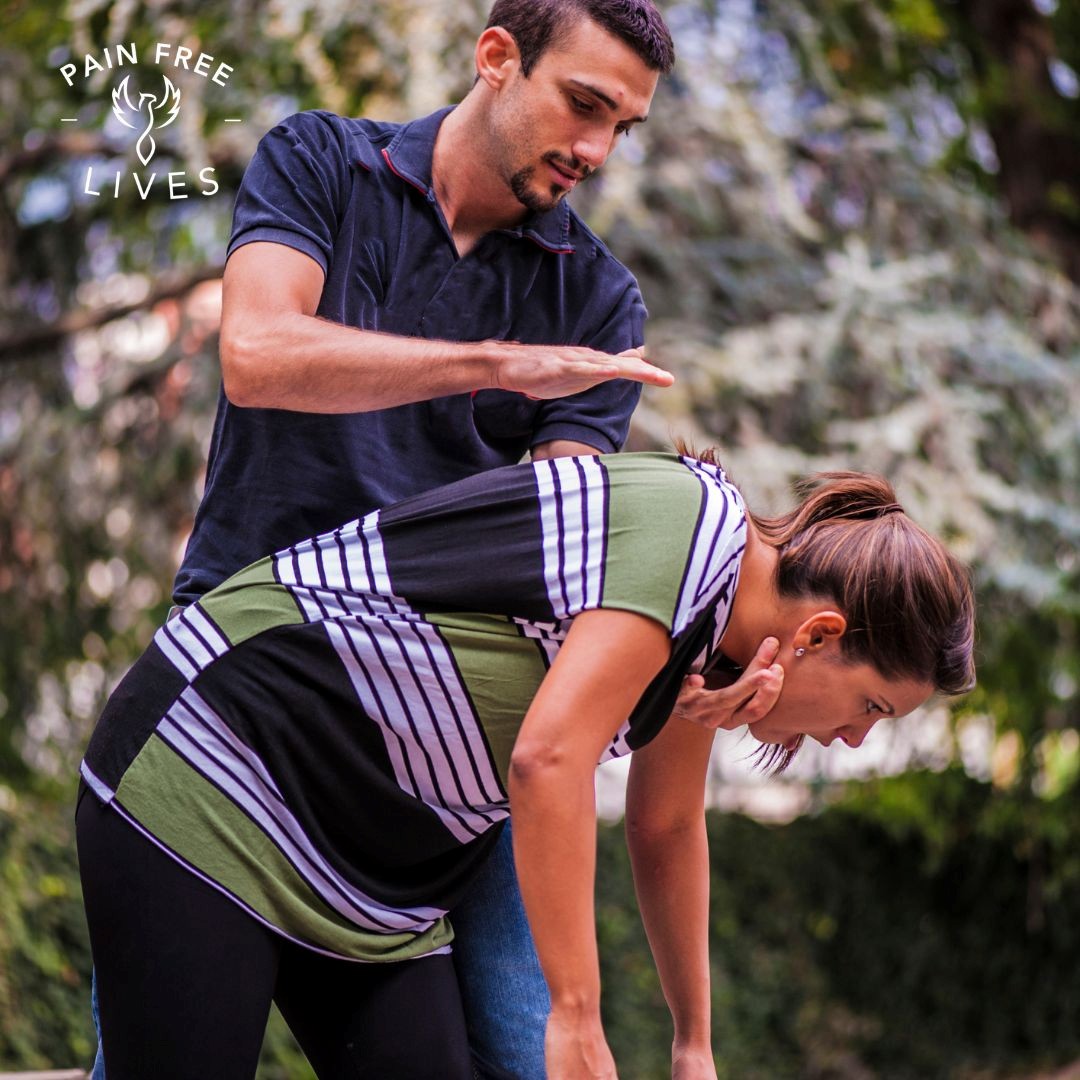
Many New Jersey residents spend weekdays seated and weekends active. Yard work, home projects, recreational sports, and long walks introduce sudden increases in physical demand. While movement is beneficial, inconsistent activity levels can challenge postural stability.
Without consistent conditioning, the body often relies on compensatory patterns to manage these demands. These adaptations can affect alignment and movement efficiency, particularly when combined with postural habits formed during the workweek.
5. Repeated Load Carrying in Daily Life
Urban and suburban routines frequently involve carrying bags, backpacks, groceries, or equipment. When weight is carried unevenly or repeatedly on one side, the posture adjusts to maintain balance. Over time, these adjustments can influence muscle symmetry and spinal alignment.
These changes are often subtle and gradual, making them easy to overlook. However, repeated load patterns can shape how the body distributes stress and maintains stability during movement.
Why Posture Matters Over Time
Posture reflects how the body responds to everyday demands. When certain positions or movements are repeated, the body adapts to maintain function. Over time, these adaptations can influence joint mechanics, muscle coordination, and nerve function.
Modern non-surgical care focuses on understanding these patterns rather than isolating individual symptoms. A comprehensive evaluation considers posture, movement, and lifestyle together to support long-term function and mobility.
A More Sustainable Approach to Postural Health
Postural health develops through consistency rather than correction. Minor adjustments, regular movement breaks, thoughtful workspace setup, and balanced daily activity can support healthier alignment over time.
Supporting Your Body Beyond the Clinic
At Pain Free Lives, care is centered on helping patients move better, function confidently, and maintain long-term musculoskeletal health. With a focus on non-surgical, evidence-based approaches, the clinic works with each patient to understand how posture, movement, and daily habits affect overall well-being.
As part of our approach, here are carefully selected tools and products that support comfort, recovery, and daily function at home. These include items commonly used to improve sleep quality, posture awareness, ergonomics, and mobility.
➡️ Explore recommended products through the Pain Free Lives Amazon Storefront
{ http://amazon.com/shop/painfreelives}